
Every year, more French entrepreneurs make the move to Dubai. The reasons are clear: no personal income tax, a booming business ecosystem, and a legal framework that protects your assets without the complexity of French bureaucracy.
But the move raises real questions.
Will France still tax you after you leave? What is exit tax and does it apply to you? How do you actually become a UAE tax resident — not just on paper, but in the eyes of both the French and UAE tax authorities?
UAE tax residency for French entrepreneurs is one of the most misunderstood topics in the French-speaking business world. Plenty of people set up a freezone company in Dubai and assume that’s enough. It is not.
This guide walks you through the complete process — step by step — so you understand exactly what is required, what could go wrong, and how to do it properly.
Why UAE Tax Residency for French Entrepreneurs Is Different
Most general guides talk about UAE residency as if it applies to everyone equally. It does not.
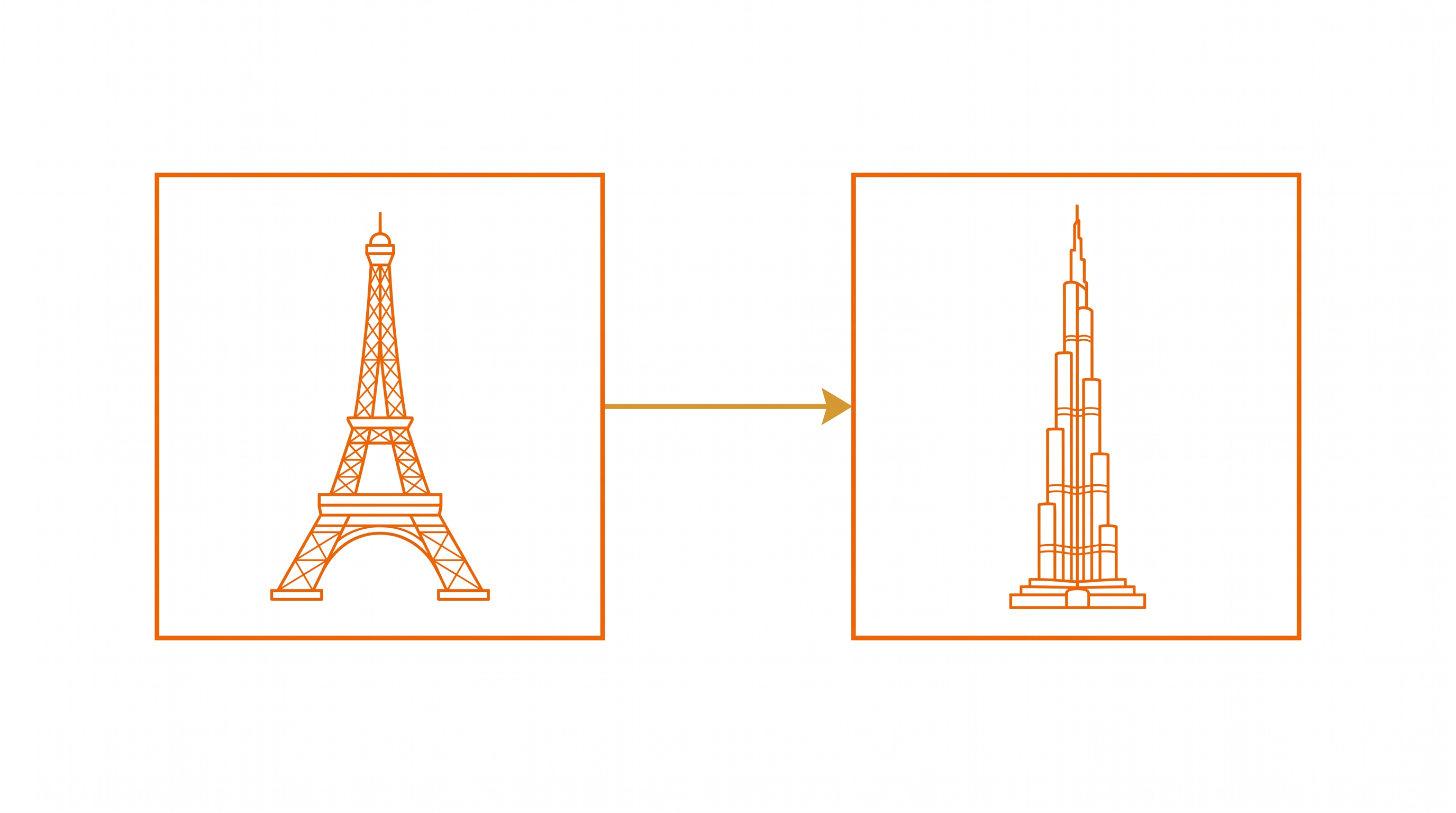
For French entrepreneurs specifically, there are two tax systems to deal with simultaneously: the French system and the UAE system. You need to exit one cleanly while entering the other correctly.
UAE tax residency for French entrepreneurs means satisfying both the UAE Federal Tax Authority’s requirements and cutting your legal ties with the French tax administration under Article 4 B of the French General Tax Code.
If you only do one without the other, you end up in no man’s land — UAE tax resident on paper, French tax resident in reality.

Step 1: What UAE Tax Residency for French Entrepreneurs Actually Requires
UAE tax residency for French entrepreneurs is not automatic when you get a visa. It requires proof of substance.
The UAE recognises two pathways:
The 183-day rule: You must be physically present in the UAE for at least 183 days within a 12-month period.
The 90-day alternative: You can qualify with just 90 days of physical presence if you hold a valid UAE residence visa, have a permanent place of residence in Dubai, and carry out a business activity or employment in the UAE.
Both pathways require a UAE Tax Residency Certificate (TRC) issued by the Federal Tax Authority.

Step 2: Get the Legal Structure Right — The Freezone Company
The most common path for UAE tax residency for French entrepreneurs starts with setting up a freezone company in Dubai.
A freezone company gives you 100% foreign ownership, a UAE trade licence, the right to apply for a UAE investor/owner residency visa, and a legal structure that can qualify for 0% corporate tax. Up to AED 375,000 annual profit is taxed at 0% under UAE Small Business Relief. For larger revenues, freezone companies can qualify for 0% corporate tax under the Qualifying Free Zone Person (QFZP) regime — subject to activity type and substance requirements.
Over 40 freezones exist in the UAE. The right one depends on your business activity, the number of visas you need, and whether you need a physical office or a flexi-desk arrangement.
Once your freezone company is active and your visa is stamped in your passport, you are eligible to apply for the UAE Tax Residency Certificate.

Step 3: Apply for the UAE Tax Residency Certificate
The UAE Tax Residency Certificate is issued by the Federal Tax Authority (FTA). For UAE tax residency for French entrepreneurs, the TRC is non-negotiable.
To apply, you need: a valid UAE residence visa; a trade licence active for at least 12 months; six months of UAE bank statements; a certified tenancy contract; your Emirates ID; and entry/exit records confirming your physical presence.
The TRC is issued for one specific tax year and must be renewed annually.
Step 4: Exit France Cleanly — What Article 4 B Really Means
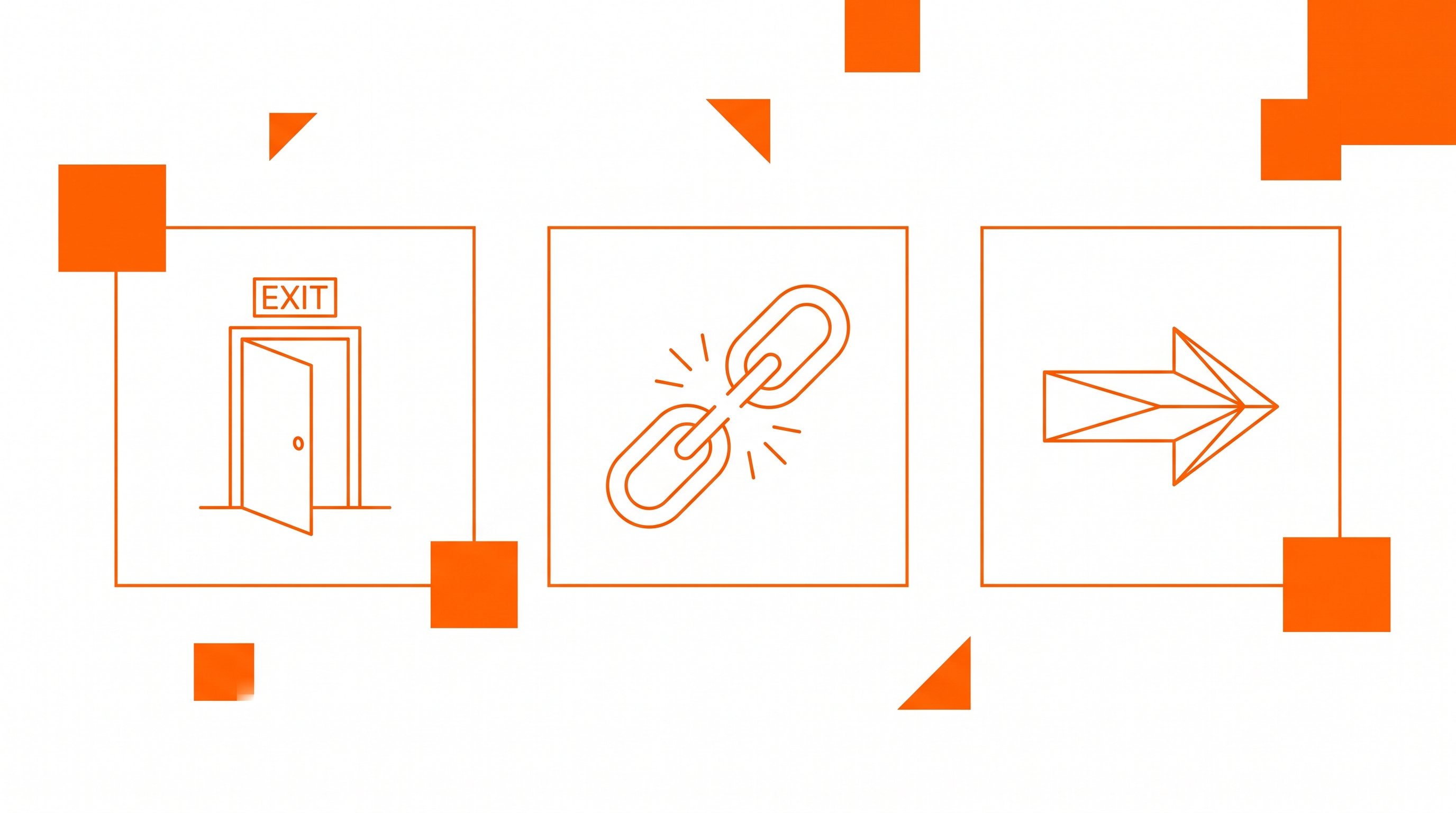
Under Article 4 B of the French General Tax Code, France considers you a French tax resident if any one of the following applies: your primary home or main place of stay is in France; your main professional activity is carried out in France; or the centre of your economic interests is in France.
Many founders move to Dubai but keep their French company active, their French bank accounts as the primary flow of funds, or their family in France. Any of these factors can give the French tax administration a basis to maintain your French tax residency status.
For UAE tax residency for French entrepreneurs to be legally solid, you must break all three ties simultaneously.

Step 5: Understand Exit Tax and Whether It Applies to You
Exit tax (l’exit tax) applies to individuals who have been French tax residents for at least 6 of the 10 years preceding their departure AND hold shares or financial assets worth more than €800,000, OR hold at least 50% of a company’s capital.
Moving to the UAE does not trigger immediate payment. Because the UAE is outside the EU, you may apply for a payment deferral. You must file an annual declaration (Form 2074-ETD) each year until the tax is either paid or cancelled.
⚠️ Important: Unlike moves within the EU/EEA, moving to the UAE means your deferral request must be filed at least 90 days before departure and must be accompanied by financial guarantees (sûretés: pledges, bank guarantees). Miss this window or fail to provide guarantees and the full exit tax is due on departure day. GCG structures this in advance.
The 2026 exit tax rate is 31.4% on unrealised gains (12.8% income tax + 18.6% social contributions), or optionally at the progressive income tax scale.
Exit tax is cancelled entirely if you hold your assets for 2 years after leaving France (for certain securities) or 5 years for other assets.

Step 6: Activate the France-UAE Double Tax Treaty
The France-UAE double tax treaty was signed in 1989, updated by an additional protocol in 1993, and modified by the OECD Multilateral Instrument effective 1 January 2019.
Once you hold a valid UAE Tax Residency Certificate and have legally broken French tax residency, the France-UAE double tax treaty means: your UAE income is taxed only in the UAE — 0% personal income tax; your Dubai income is exempt from French income tax; capital gains on UAE assets are not subject to French capital gains tax.
One important note: the French DGFiP has been known to challenge treaty protection on the grounds that a UAE resident is not actually “liable to tax” in the UAE under Article 4(1) of the treaty — because the UAE levies no personal income tax. This is a real audit risk. Rebutting it requires your UAE TRC combined with solid substance evidence: physical presence records, Emirates ID, UAE bank account activity, and active economic engagement in the UAE. This is one reason why genuine substance matters far beyond ticking administrative boxes.
One important exception: French real estate income remains taxable in France regardless of where you live.
What This Process Looks Like in Practice
For most French entrepreneurs, UAE tax residency for French entrepreneurs follows this sequence:
Month 1–2: Set up the freezone company and obtain the trade licence.
Month 2–3: Apply for the UAE residency visa as investor/owner.
Month 3: Open UAE bank accounts, sign a long-term lease in Dubai.
Month 6–12: Build 183 days of UAE presence; all economic activity flows through UAE structure.
Month 12+: Apply for the UAE Tax Residency Certificate from the FTA.
Ongoing: File the French exit tax annual declaration (2074-ETD) if applicable; renew TRC annually.
Why Getting It Right Matters More Than Ever in 2026
The French government has increased scrutiny of international tax relocations since the Finance Law of 2025. French tax residency challenges are up. Audit activity on departing entrepreneurs is rising.
The UAE Federal Tax Authority has also tightened TRC eligibility requirements in 2026, now requiring proof of Corporate Tax Registration for company-based applications.
UAE tax residency for French entrepreneurs has never been more achievable — and never required more precision.

Bottom Line
UAE tax residency for French entrepreneurs is not a shortcut. It is a structured process with legal, financial, and personal components that must all align.
Done properly, it means: zero personal income tax on your global income; a UAE company that can qualify for 0% corporate tax; full legal protection under the France-UAE double tax treaty; no French exit tax liability after the holding period.
Done poorly, it means dual tax residency, back taxes, penalties, and a very uncomfortable conversation with the French tax administration.
This is exactly where GCG Structuring comes in. GCG Structuring works with French entrepreneurs every step of the way — from choosing the right freezone and setting up the company, to applying for the UAE Tax Residency Certificate and structuring the clean exit from France. If you are considering the move — or have already moved but are not confident your structure is airtight — book a consultation with the GCG team.