
Many investors, entrepreneurs, and small to medium-sized enterprises are drawn to DIFC because of its prestige and international recognition. At first glance, it seems like the ideal location for any business. But the reality is that the DIFC structure comes with higher costs, stricter compliance requirements, and more complex regulatory obligations than most free zones. For businesses that are smaller, simpler, or more budget-conscious, a DIFC structure can become more of a burden than a benefit.
In this blog, we will examine when a DIFC structure is the right choice, and more importantly, when it is not. We’ll explore the licensing requirements, cost considerations, and regulatory obligations that often make DIFC less suitable for certain companies. At the same time, we’ll highlight free zones that offer a simpler, more flexible, and cost-effective alternative for investors and holding companies.
Table of Contents
What Is a DIFC Structure and Who Benefits From It
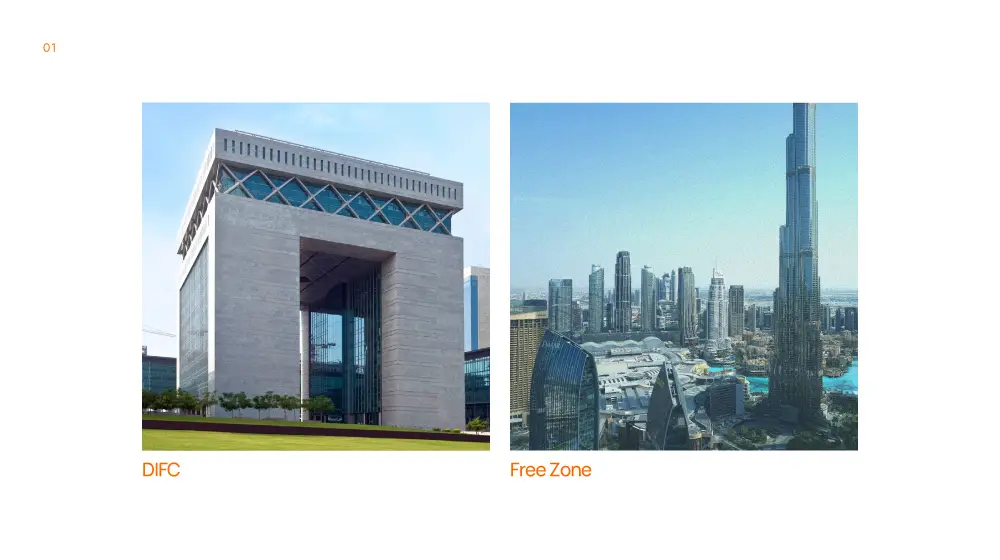
A DIFC structure refers to setting up a company within the Dubai International Financial Centre, a financial free zone with its own legal and regulatory framework. DIFC offers an independent judicial system based on common law, strict corporate governance rules, and access to international banks. This makes it suitable for companies with complex operations, regulated activities, or those seeking international investment.
Key Features of a DIFC Structure
- Independent Legal System: Companies in DIFC operate under common law, separate from UAE federal law. This provides strong investor protection and legal clarity.
- Access to Global Banking: Companies can open accounts with major international banks, simplifying cross-border transactions and financial operations.
- Regulatory Oversight: The Dubai Financial Services Authority (DFSA) monitors compliance, ensuring high regulatory standards.
- Reputation and Credibility: Being based in DIFC signals financial sophistication and can help attract global investors and clients.
- Who Benefits From a DIFC Structure
- A DIFC structure is best suited for:
- Financial Institutions and Banks: DIFC provides the necessary legal and regulatory framework for banking and investment firms.
- Multinational Corporations: Companies establishing regional headquarters benefit from DIFC’s legal protections and global recognition.
- Highly Regulated Businesses: Firms in insurance, asset management, and other regulated sectors require DIFC’s compliance environment.
For smaller startups, lean holding companies, or businesses with simple operations, a DIFC structure can be unnecessarily costly and complex. Later sections will explore free zones that may offer simpler and more cost-effective alternatives.
DIFC Licensing Requirements

Setting up a DIFC structure requires compliance with specific regulatory and licensing requirements. The Dubai Financial Services Authority (DFSA) oversees companies in DIFC and ensures that all businesses meet strict governance and operational standards. Understanding these requirements is essential before deciding if DIFC is the right choice for your business.
Key Licensing Requirements for a DIFC Structure
- Corporate License: Every company in DIFC must obtain a corporate license based on its business activity. This includes financial services, consulting, or professional services. The license defines what your company is legally allowed to do in the DIFC.
- Minimum Share Capital: Certain business types in DIFC have minimum capital requirements. For example, regulated financial firms may need to maintain a higher capital base to comply with DFSA rules.
- Physical Office Requirement: A DIFC structure requires a registered physical office within the center. This office must meet size and location standards set by DIFC authorities.
- Qualified Management: Some licenses require that directors or managers hold specific qualifications or professional experience, especially for regulated financial activities.
- Regulatory Approvals: Companies may need DFSA approval for their business plan, key personnel, and operational model. Approval timelines can range from several weeks to a few months, depending on the license type.
Why Licensing Requirements Matter
These DIFC licensing requirements ensure that companies meet high compliance and governance standards. While this creates credibility and investor confidence, it also means that smaller businesses, startups, or lean holding companies may find a DIFC structure unnecessarily complex and costly.
For companies that do not need strict regulatory oversight or extensive physical infrastructure, free zones can offer a simpler route to incorporate while still maintaining full ownership and access to banking services. In later sections, we will compare DIFC vs free zone setups and highlight the cost and operational differences.
DIFC Cost vs Free Zone Cost
One of the most important factors to consider when deciding on a DIFC structure is cost. While DIFC offers prestige, legal protection, and access to international markets, it comes with higher setup and ongoing expenses compared to many free zones. For investors, SMEs, or startups with limited budgets, understanding these costs is crucial.
Setup Costs for a DIFC Structure
- License Fees: DIFC licenses start at approximately AED 15,000 and can go much higher depending on the business activity. Regulated financial services licenses are often significantly more expensive due to regulatory oversight.
- Office Space: A physical office is mandatory for a DIFC structure. The rent for even a small office can start around AED 50,000 per year, adding to the fixed costs of operating within DIFC.
- Registration and Application Fees: There are additional charges for company registration, approvals, and administrative processing, which can range between AED 5,000–15,000.
- Professional Fees: Hiring consultants, legal advisors, or compliance specialists is often necessary to meet DIFC licensing requirements, especially for regulated businesses.
Ongoing Costs
- Annual License Renewal: Licenses must be renewed yearly, with fees similar to the initial setup.
- Compliance and Audit Fees: DIFC structures require annual audits and regular compliance reporting, which adds to operational expenses.
- Employee Sponsorship and Visas: DIFC mandates visa allocations based on office size and business activity, which can further increase costs.
Comparison with Free Zones
When comparing DIFC cost vs free zone cost, the difference can be substantial:
- Many UAE free zones offer packages starting as low as AED 10,000 per year, including license and office space.
- Free zones often allow virtual offices or flexible desk setups, reducing overhead.
- Compliance requirements are generally simpler, meaning lower audit and consultancy fees.
For example, a lean holding company or a digital services startup can save tens of thousands of AED annually by choosing a free zone rather than a DIFC structure, without losing legal clarity or full ownership.
While the DIFC structure is ideal for businesses requiring strong regulatory oversight and international credibility, smaller companies or those testing new markets often find free zones more cost-effective and operationally flexible.
DIFC Disadvantages That Make Free Zones More Attractive

A DIFC structure offers strong credibility, but it is not always practical. For many SMEs, holding companies and early-stage founders, several limitations make free zones a better fit.
1. Higher Setup and Operating Costs
A DIFC structure comes with premium license fees, mandatory office rent inside DIFC and higher annual renewal costs. Free zones offer far cheaper packages and flexible workspace options, which helps smaller companies preserve cash.
2. Strict Compliance and Reporting
DIFC is regulated by the DFSA, which requires audits, compliance reviews and detailed reporting. This level of oversight suits regulated firms but adds unnecessary cost and admin for simple business activities.
3. Mandatory Physical Office
Every DIFC structure must lease a physical office within DIFC. Free zones allow flexi desks or shared spaces, which keeps overhead low and offers more flexibility for remote teams.
4. Slower Approvals
Licensing in DIFC often takes longer because of regulatory checks. Free zones issue licenses much faster, which helps companies that need quick market entry.
5. Not Ideal for Simple Activities
Activities like consulting, software development, light trading or basic holding structures do not need DIFC’s regulatory environment. These companies gain no additional advantage from the extra cost and paperwork.
6. Less Flexibility for Startups
Changing activities, adjusting ownership or restructuring a DIFC structure is usually slower and more expensive. Free zones offer lighter procedures that support early-stage companies.
7. Banking Advantage Is Not Always Critical
DIFC does offer strong banking access, but many free zones now provide smooth banking setups as well. For businesses with simple financial needs, the difference is no longer significant enough to justify higher DIFC commitments.
DIFC vs Free Zone: Key Differences
Understanding the main differences between a DIFC structure and a standard UAE free zone setup helps you decide which model aligns with your business needs. The comparison is especially important for SMEs, holding companies and startups managing tighter budgets. This section will highlight practical differences you can evaluate before choosing between DIFC vs free zone options.
1. Legal and Regulatory Framework
DIFC structure:
DIFC uses an independent common law system and is regulated by the DFSA. This is valuable for financial, advisory or investment-related businesses that need advanced governance and legal clarity.
Free zones:
Most UAE free zones operate under UAE federal commercial laws and have lighter regulatory requirements, which is ideal for simple or non-regulated business activities.
2. Cost Structure
DIFC structure:
Higher licensing fees, mandatory office rent inside DIFC and more expensive annual renewals. This is where the difference in DIFC cost vs free zone cost becomes significant.
Free zones:
Packages are far more affordable, often including flexi desks or shared offices. Holding companies and digital businesses usually see better cost efficiency in free zones.
3. Office Requirements
DIFC structure:
A physical office is mandatory. No virtual office or flexi desk options.
Free zones:
Flexi desks and virtual offices are widely accepted, offering full compliance at minimal cost.
4. Compliance and Reporting
DIFC structure:
Requires annual audits, financial reporting and strict compliance under DFSA supervision. This maintains credibility but adds administrative layers.
Free zones:
Lighter reporting requirements. Audits may be required depending on the free zone, but overall compliance is simpler and less expensive.
5. Banking and Financial Services Access
DIFC structure:
Strong access to international banks and financial institutions. Ideal for businesses handling cross-border transactions or investment flows.
Free zones:
Banking has improved significantly across major free zones. Many offer fast onboarding, although not at the same level as DIFC.
6. Business Activity Flexibility
DIFC structure:
Best suited for regulated sectors, investment firms, financial services and businesses where investor trust and legal sophistication matter.
Free zones:
Support a wide range of activities including tech, consulting, trading, e-commerce and holding structures. Free zones offer broader and more flexible activity lists.
7. Setup Speed
DIFC structure:
Longer because of regulatory reviews and DFSA approvals.
Free zones:
Much faster, with many issuing licenses within a few days.
Best Free Zones for Holding Companies and SMEs

This section outlines the UAE free zones that offer simpler, lower-cost, and more flexible alternatives when a DIFC structure is not required.
Abu Dhabi Global Market (ADGM)
ADGM is suitable for holding companies that want a common-law framework without DIFC costs. It offers:
- Flexible SPV and holding structures
- Lower licensing and renewal fees
- Straightforward compliance and reporting
ADGM is often preferred for investors who do not need DIFC-level financial licensing.
Jebel Ali Free Zone (JAFZA)
JAFZA is a strong option for international investors with operational or asset-holding needs. It provides:
- 100 percent foreign ownership
- Broad activity options
- Competitive company setup and renewal costs
JAFZA is commonly used for regional holding structures and family offices.
Ras Al Khaimah International Corporate Centre (RAK ICC)
RAK ICC is widely used for lean holding companies with uncomplicated structures. It offers:
- Low incorporation and maintenance costs
- Fast approvals
- Simple compliance requirements
RAK ICC is suitable for startups, SMEs, and asset-holding entities that do not require regulated environments.
Dubai Multi Commodities Centre (DMCC)
DMCC is a practical choice for SMEs and trading companies that want a reputable but cost-efficient free zone. Key advantages include:
- Strong global recognition
- Competitive cost structure
- Access to a wide range of activities
Companies that do not need the regulatory depth of DIFC often select DMCC for its flexibility.
Sharjah Media City (Shams) and IFZA
These free zones provide one of the most affordable entry points for digital service businesses and early-stage entrepreneurs. They offer:
- Low setup and renewal fees
- Virtual office options
- Fast licensing timelines
Startups testing the market often choose these zones instead of committing to the higher obligations of a DIFC structure.
When a DIFC Structure Actually Makes Sense
A DIFC structure is most suitable for businesses that require strong regulatory oversight, international credibility, and access to financial services. While it may be costly and complex for small or lean companies, it provides significant benefits for certain business models.
Regulated Financial Services
Businesses such as asset management, fund management, wealth advisory, and regulated fintech gain from DIFC’s DFSA-approved framework. The regulatory environment ensures compliance with international financial standards, which is essential for firms operating in highly regulated sectors.
Institutional or High-Net-Worth Clients
Companies serving institutional investors, family offices, or high-net-worth clients benefit from the credibility and trust associated with a DIFC structure. The recognised legal and compliance standards help build confidence and long-term relationships with these clients.
Cross-Border Transactions
DIFC provides a clear common-law system, enforceable contracts, and predictable dispute resolution. Companies involved in international transactions or high-value agreements gain legal certainty, reducing operational risk.
Access to Capital
Firms planning to raise institutional or private equity funding find DIFC advantageous due to its transparency, robust governance, and investor confidence. This makes fundraising smoother and often faster compared with less-regulated free zones.
Regional Headquarters
Global companies establishing a long-term presence in the UAE can leverage DIFC’s premium office environment, mature financial ecosystem, and access to professional services. This setup is ideal for multinational corporations that require both a strategic location and an internationally respected jurisdiction.
Conclusion

A DIFC structure is ideal for regulated financial services, cross-border transactions, and companies raising institutional capital due to its legal protections and credibility.
For SMEs, startups, and lean holding companies, free zones like ADGM, JAFZA, RAK ICC, DMCC, and Shams offer lower costs, simpler compliance, and faster licensing, making them a practical alternative.
GCG Structuring helps businesses choose the right setup and handle licensing, compliance, and cost optimization to ensure efficient and strategic operations.
FAQ
1. 0 What is a DIFC structure?
A company setup in the Dubai International Financial Centre with DFSA regulation and access to international banking.
2. 0 When should I choose DIFC over a free zone?
For regulated financial activities, cross-border transactions, or serving institutional clients.
3. 0 What are the main DIFC licensing requirements?
Corporate license, physical office in DIFC, DFSA compliance, and minimum capital for some activities.
4. 0 How does DIFC cost compare to free zones?
DIFC is more expensive due to higher license, office, and compliance costs. Free zones are cheaper and simpler.
5. 0 Which free zones are best for holding companies and SMEs?
ADGM, JAFZA, RAK ICC, DMCC, Shams, and IFZA for cost-effective setups and flexible offices.