

Introduction
France and the UAE signed their first double tax treaty in 1989. It was updated in 1993 and again in 2022. For French entrepreneurs eyeing Dubai, this treaty is not a footnote — it is the legal backbone that determines where you pay tax, how much, and under what conditions.
If you are moving to dubai from France with a business, shares, or significant assets, the treaty governs:
- Which country taxes your business profits
- How dividends flow between your French and UAE entities
- What happens to unrealised gains when you leave France
- Whether France can still claim tax on your Dubai income
This guide breaks down what the france uae double tax treaty actually says, what it means in practice, and where French entrepreneurs commonly get it wrong. For anyone moving to dubai, the goal is not simply lower tax — it is a defensible relocation structure that works under French and UAE rules. This is especially important for a france to dubai move where business ownership, dividends, and personal residence all interact.
1. The Basics: What the Treaty Actually Covers

The France-UAE double tax treaty has one purpose: to stop the same income being taxed twice. It does this by assigning taxing rights to one country or the other, and by requiring the other country to grant a credit or exemption. If you are moving to dubai with an active company, the treaty helps determine which country has the stronger taxing claim.
Key areas covered:
| Income type | Who taxes it | Treaty rule |
|---|---|---|
| Business profits | Country where you have a permanent establishment (PE) | PE profits taxed there; home country gives credit |
| Dividends | Source country, but limited | 0% withholding if UAE shareholder holds ≥10% for 12 months; otherwise 5% |
| Interest | Source country, but limited | 0% withholding under treaty |
| Royalties | Source country, but limited | 0% withholding under treaty |
| Capital gains on shares | Generally, seller’s country of residence | Except for real estate-rich companies |
| Employment income | Country where work is performed | Exception: short-term assignments, government roles |
| Directors’ fees | Company residence country | Taxed where the company is resident |
What "permanent establishment" means for you
A permanent establishment (PE) is a fixed place of business through which you operate. In Dubai, this usually means:
- A licensed free zone company with physical office space
- A branch or representative office
- A dependent agent who regularly concludes contracts on your behalf
If you have a PE in the UAE, the UAE taxes the profits attributable to that PE. France must then either exempt those profits or grant a tax credit. The treaty ensures you do not pay full French tax on top. For founders moving to dubai, the practical question is whether the UAE business is genuinely managed and operated from Dubai.
Common mistake: Running a Dubai free zone company but keeping all decision-making, contracts, and economic activity in France. French tax authorities may argue you have a French PE — or that the Dubai entity is a sham — and tax your worldwide profits in France anyway.
2. Dividends: The 0% Withholding Tax Advantage
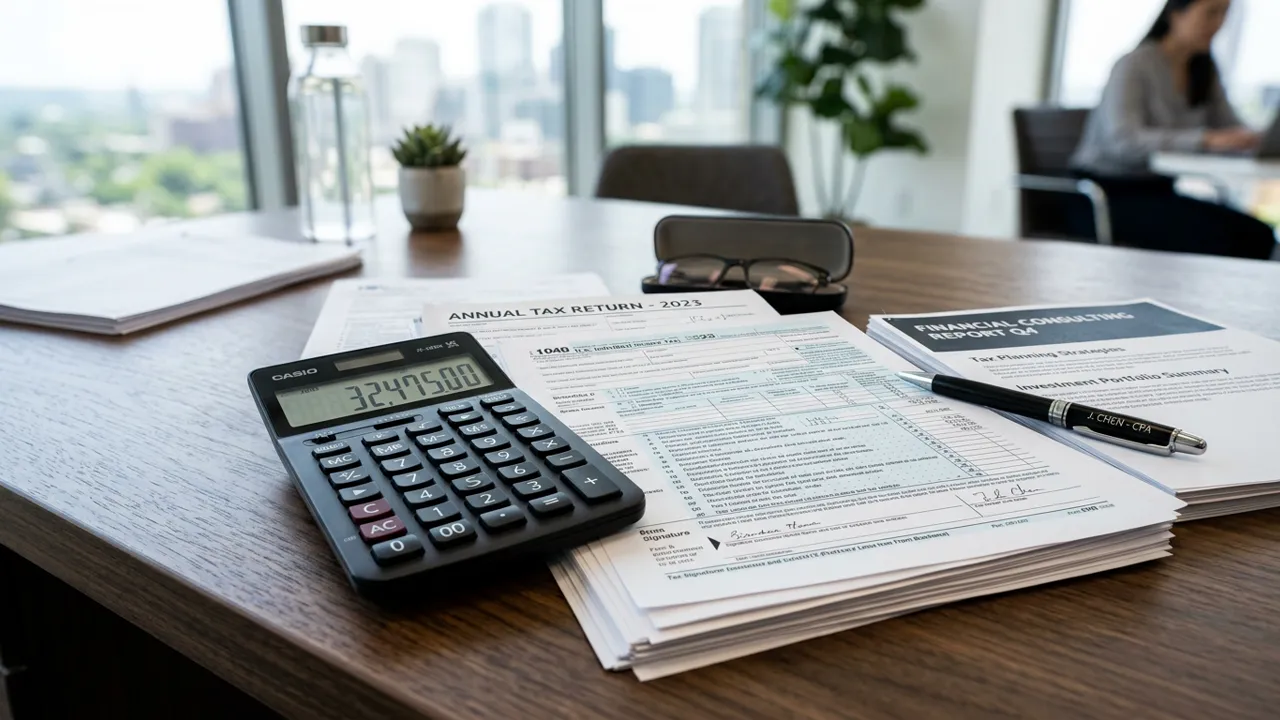
One of the most powerful provisions in the france uae double tax treaty is the zero-rate withholding tax on dividends. For entrepreneurs moving to dubai, this can make a properly structured holding setup materially more efficient than an unplanned relocation.
Under French domestic law, dividends paid to non-residents attract a 25% withholding tax. The treaty overrides this.
The treaty rates:
- 0% withholding tax if the UAE shareholder holds at least 10% of the French company’s capital for at least 12 months
- 5% withholding tax for other investment scenarios
What this means in practice
If you structure a French holding company with a UAE shareholder (your Dubai entity), profits can be distributed as dividends with no French withholding tax. This is a significant advantage over many other jurisdictions.
Example:
- You own a French operating company through your Dubai free zone holding company
- The French company distributes €500,000 in dividends
- Without the treaty: €125,000 French withholding tax (25%)
- With the treaty (0% rate): €0 French withholding tax
This is not tax evasion. It is treaty-based tax planning. The key is proper substance in the UAE entity — real directors, real decisions, real economic activity. Without that substance, moving to dubai does not automatically protect dividend flows from French scrutiny.
3. Business Profits: Where Are You Actually Taxed?
The treaty follows the OECD model: business profits are taxed where the enterprise has a permanent establishment. This is why moving to dubai must be supported by where contracts are approved, where management sits, and where the business is actually run.
Scenario A: French company, no UAE PE
- French company sells services to UAE clients remotely
- No office, no agent, no fixed presence in UAE
- Result: Profits taxed in France only
Scenario B: UAE free zone company, no French PE
- Dubai free zone company serves global clients
- No fixed presence in France, no dependent agent there
- Result: Profits taxed in UAE only (0% if qualifying free zone person)
Scenario C: Both French and UAE entities
- French company has a Dubai branch (PE)
- Dubai branch profits taxed in UAE
- French tax on worldwide profits, with credit for UAE tax paid
- Result: No double taxation, but complex compliance
The substance test
French tax authorities are increasingly aggressive about scrutinising UAE structures. For anyone moving to dubai, the substance test is often more important than the company licence itself. They look for:
- Where are board meetings held?
- Where are key decisions made?
- Where are the company’s books and records maintained?
- Where do the directors actually live and work?
If the answer to all of these is “France,” your Dubai entity may be disregarded for tax purposes, and France may claim taxing rights over all profits.
4. The French Exit Tax: What Happens When You Leave

France does not make it easy to leave. The exit tax (“taxe sur la cession de valeurs mobilières”) applies when a French tax resident transfers their residence outside France and holds significant assets. Moving to dubai can defer the payment in many cases, but it does not make the exit tax disappear automatically.
Exit tax conditions (2026):
- You have been a French tax resident for at least 6 of the last 10 years
- You directly or indirectly hold shares/securities with a total gross value exceeding €800,000
- OR you own at least 50% of a company’s share capital
Exit tax rate (2026):
- 31.4% total (12.8% income tax + 18.6% social contributions)
Deferral and waiver:
- Moving to a non-EU country (like the UAE): tax is automatically deferred
- You must file an annual declaration (Form 2074-ETD) confirming you still hold the assets
- Tax is definitively waived if you hold the assets for:
– 2 years after departure (for certain securities) – 5 years after departure (in most cases)
The catch: genuine change of residence
French tax authorities apply the “centre of vital interests” test. They look at:
- Where is your family home?
- Where do your children go to school?
- Where are your social and economic ties?
- Where do you spend most of your time?
Spending 183+ days in Dubai is not enough. You need a genuine, demonstrable break from France. Many entrepreneurs fail this test and find France still claims them as tax resident — with the exit tax still lurking. For a france to dubai relocation, documentation matters as much as the flight date.
5. UAE Tax in 2026: What "Tax Free" Actually Means
The UAE is not entirely tax free. Understanding what is and is not taxed is critical for French entrepreneurs. The phrase uae tax free can be misleading if you are moving to dubai through a company rather than as a passive individual investor. This is where tax in dubai for foreigners needs to be understood precisely.
What is NOT taxed in the UAE:
- Personal income tax (0%)
- Capital gains tax on personal investments (0%)
- Wealth tax (0%)
- Inheritance tax (0%)
- Dividend income for individuals (0%)
What IS taxed in the UAE:
- Corporate tax: 9% on taxable profits above AED 375,000
- Free zone companies: 0% on “qualifying income” if they meet QFZP conditions
- VAT: 5% on most goods and services
- Excise tax: on tobacco, energy drinks, etc.
Free zone 0% corporate tax: the conditions
To get 0% corporate tax in a UAE free zone, you must:
- Maintain adequate economic substance in the UAE (real office, real staff, real activity)
- Derive “qualifying income” (transactions with other free zone persons, or qualifying activities with non-free zone persons)
- Keep non-qualifying revenue below 5% of total revenue or AED 5 million (whichever is lower)
- Prepare audited IFRS financial statements
- Register with the Federal Tax Authority and file annual returns
- Comply with transfer pricing rules
Fail any of these, and you lose QFZP status for 5 years. The entire taxable income is then subject to 9% corporate tax.
Key point for French entrepreneurs: The UAE’s 0% rate is conditional. It is not automatic. French tax authorities know this, and they will scrutinise whether your Dubai entity genuinely qualifies. So if you are moving to dubai for a free zone structure, treat QFZP compliance as an annual obligation, not a one-time setup.
6. Common Mistakes French Entrepreneurs Make
Mistake 1: Assuming the treaty eliminates all French tax
The treaty prevents double taxation. It does not prevent France from taxing French-source income, or from claiming you are still French tax resident. If your centre of vital interests remains in France, the treaty does not save you. Moving to dubai only works when your personal and business facts support the move.
Mistake 2: Creating a Dubai shell with no substance
A Dubai company with no office, no employees, and no real activity is a red flag. French tax authorities can disregard it under anti-abuse rules and tax all profits in France. The safest approach when moving to dubai is to build operational substance before relying on treaty benefits.
Mistake 3: Ignoring the exit tax
Many entrepreneurs focus on Dubai’s 0% rate and forget France’s 31.4% exit tax. If you hold shares worth over €800,000, you need a plan for this — either deferral management or asset restructuring before departure. Moving to dubai without modelling this first can create a tax exposure you only discover after the fact.
Mistake 4: Failing to break French ties properly
Keeping a French home, French bank accounts as primary, French social security, children in French schools — all of these undermine your claim to UAE tax residence. The break must be clean and documented.
Mistake 5: Not understanding the QFZP rules
Free zone companies are not automatically 0% tax. The conditions are strict, and the penalties for non-compliance are severe (5 years at 9% rate). You need a UAE tax advisor who understands QFZP compliance. This is also why tax in dubai for foreigners depends heavily on whether you operate personally, through a mainland company, or through a qualifying free zone company.
7. Structuring Checklist for French Entrepreneurs
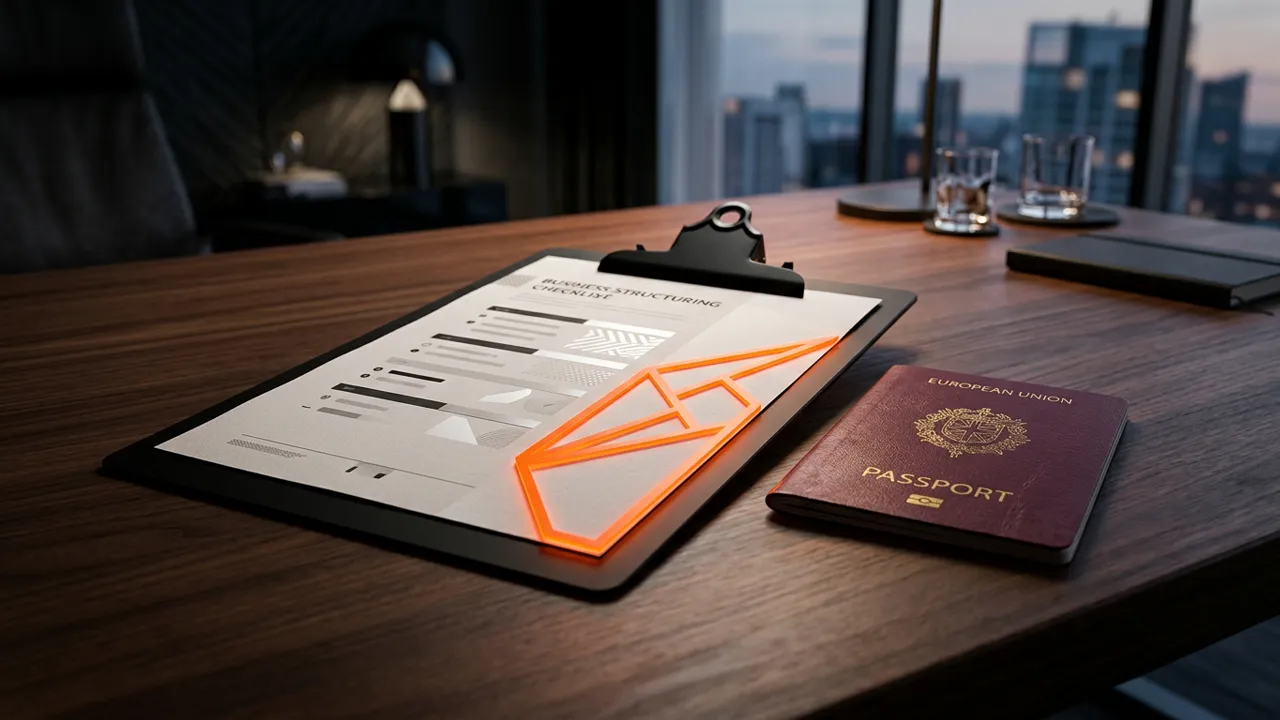
Before moving to dubai, work through this checklist with a qualified tax advisor. It is designed for founders who want the uae tax free advantage where available, while staying defensible under French rules:
Pre-departure (France):
- □ Calculate potential exit tax liability
- □ Consider asset restructuring (e.g., transferring shares to a holding structure before departure)
- □ File Form 2074-ETD if exit tax applies
- □ Obtain a tax residency certificate from French authorities
- □ Close or restructure French bank accounts, social security, and other ties
- □ Document the date of departure and the break from French vital interests
UAE setup:
- □ Choose the right free zone for your activity
- □ Ensure adequate substance: office, staff, local directors if needed
- □ Register for corporate tax with the FTA
- □ Prepare for audited IFRS financial statements
- □ Understand transfer pricing documentation requirements
- □ Obtain UAE tax residency certificate
Ongoing compliance:
- □ File annual corporate tax return (even if zero tax)
- □ Monitor qualifying vs non-qualifying income ratio
- □ Maintain board minutes and decision records in Dubai
- □ File French Form 2074-ETD annually if exit tax deferred
- □ Review substance requirements annually
8. The Big Picture: Is Moving to Dubai Right for You?
The france uae double tax treaty makes Dubai an attractive destination for French entrepreneurs — but only if the move is genuine, structured properly, and compliant on both sides. Moving to dubai should be treated as a corporate and personal restructuring project, not just a change of address.
When it works well:
- You have a genuine business reason to be in Dubai (regional expansion, specific market access)
- You can demonstrate real substance in the UAE
- You plan to break French ties cleanly
- You have a strategy for managing or deferring exit tax
- You understand the QFZP conditions and can maintain them
When it gets complicated:
- Your business is primarily French-facing with no real UAE activity
- You cannot break French family or economic ties
- You hold significant French assets subject to exit tax
- You are not prepared for ongoing compliance in both jurisdictions
- You are looking for a quick tax fix rather than a genuine relocation
- You assume tax in dubai for foreigners is always 0%, without checking corporate tax, VAT, free zone, and substance rules
Conclusion
The France-UAE tax treaty is a powerful tool for French entrepreneurs moving to dubai. It eliminates withholding tax on dividends, prevents double taxation on business profits, and provides a clear framework for determining tax residence. But moving to dubai is only effective when the tax position matches the commercial reality.
But a treaty is only as good as the structure behind it. French tax authorities are sophisticated and aggressive. They will test your UAE substance, your break from French ties, and your compliance with both French and UAE rules.
The entrepreneurs who succeed are those who plan the move as a genuine relocation — not a paper exercise. They build real businesses in Dubai, maintain proper substance, and stay compliant in both France and the UAE.
If you are considering france to dubai relocation, start with a proper tax analysis. The treaty gives you the framework. Your structure and substance determine whether it actually works. The uae tax free narrative is useful only when the underlying setup is compliant.
Disclaimer: This guide is for informational purposes only and does not constitute tax advice. Tax laws change frequently, and individual circumstances vary. Always consult a qualified tax advisor before making relocation decisions.
How GCG helps
At GCG Structuring, we help French entrepreneurs navigate the complexities of moving to dubai — from choosing the right free zone and structuring for QFZP compliance, to managing French exit tax and ensuring genuine substance in the UAE. For founders moving to dubai, we align the personal relocation, company setup, banking path, and ongoing compliance before problems appear. Our team understands both the france uae double tax treaty and the practical realities of building a business in Dubai. If you are planning your move, we can help you get the structure right from day one.
FAQ
1. 0 Does the France-UAE tax treaty mean I pay no French tax after moving to Dubai?
No. The treaty prevents double taxation, but France can still tax French-source income or challenge your residence if your centre of vital interests remains in France.
2. 0 Is Dubai automatically tax free for French entrepreneurs?
No. Personal income tax is 0%, but UAE corporate tax, VAT, QFZP conditions, substance rules, and French exit tax may still apply.
3. 0 What is the main risk when moving to Dubai from France with a company?
The main risk is creating a UAE company on paper while management, contracts, clients, and decision-making remain in France. That can allow French authorities to challenge the structure.
4. 0 Can a UAE company receive dividends from a French company at 0% withholding tax?
Potentially yes, if the treaty conditions are met, including the required shareholding threshold and holding period. Substance and anti-abuse rules still matter.
5. 0 What should French founders do before relocating to Dubai?
Model French exit tax, review treaty position, plan UAE substance, choose the right free zone or structure, prepare banking, and document the genuine break from France.